
Advanced Reporting in Hotel Management: Data Analysis for Improving Hotel Performance
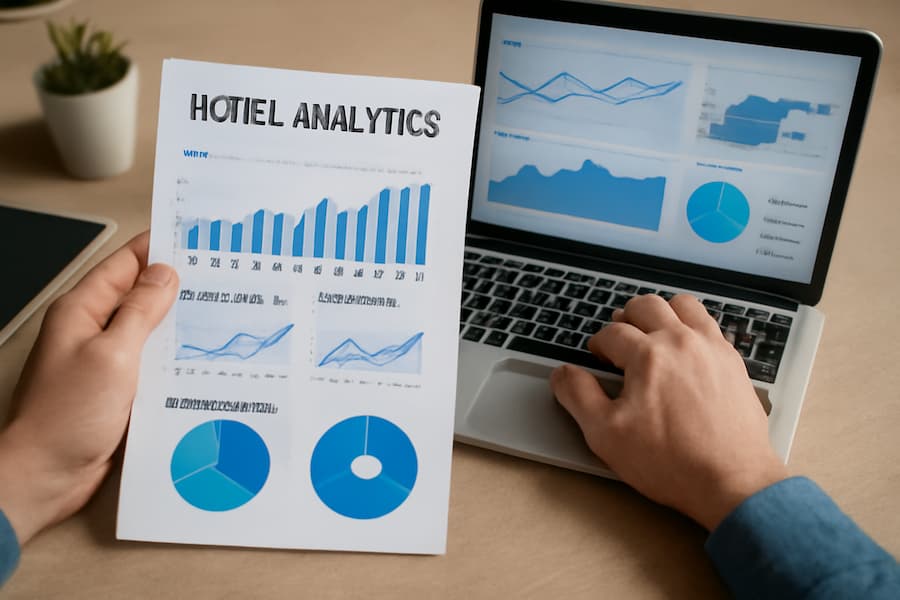
Advanced Reporting in Hotel Management: Data Analysis for Improving Hotel Performance In the highly competitive hospitality industry, making informed decisions based on data is crucial for a hotel’s success. Advanced reporting in hotel management plays a pivotal role in gathering actionable insights that can lead to improved operational efficiency, increased guest satisfaction, and higher profitability. By utilizing data analysis tools integrated into modern hotel management applications, hotels can monitor performance metrics, identify trends, and make proactive decisions to optimize operations. In this article, we will delve into the importance of advanced reporting in hotel management and how data analysis can contribute to enhancing the overall performance of hotels. Read more 1. The Role of Data in Hotel Management In today’s digital era, hotels generate vast amounts of data from various sources such as guest feedback, booking patterns, operational tasks, financial records, and employee performance. This data, if analyzed correctly, can uncover valuable insights that can influence a hotel’s strategy and operations. Advanced reporting systems allow managers to analyze and interpret this data to make data-driven decisions. These insights help managers optimize their operations, enhance guest experiences, and drive revenue growth. 2. Key Metrics Tracked through Advanced Reporting Advanced reporting tools enable the tracking of several key performance indicators (KPIs) essential for hotel management. Some of the most critical metrics include: Occupancy Rate: This measures the percentage of rooms occupied compared to the total available rooms. High occupancy rates indicate good demand, while low rates may signal issues with pricing, marketing, or customer satisfaction. Average Daily Rate (ADR): This metric indicates the average revenue earned per occupied room and provides insights into the hotel’s pricing strategy. Monitoring ADR helps hotels identify whether their pricing is competitive or needs adjustments. Revenue per Available Room (RevPAR): RevPAR is a crucial metric for measuring the hotel’s overall financial performance. It is calculated by multiplying the ADR by the occupancy rate, offering a more comprehensive view of the hotel’s revenue generation capabilities. Guest Satisfaction and Feedback: By analyzing guest feedback, reviews, and ratings, hotels can identify areas of improvement in service delivery, facilities, and overall guest experience. Advanced reporting systems often aggregate feedback from multiple sources, giving a holistic view of customer sentiment. Cost Control and Operational Efficiency: Data analysis can track operational costs such as labor, maintenance, and supplies. By comparing these costs against revenue, hotel managers can identify areas where expenses can be reduced without compromising service quality. 3. Benefits of Advanced Reporting in Hotel Performance a. Identifying Operational Inefficiencies Advanced reporting systems allow hotel managers to identify inefficiencies in various departments. For example, a detailed analysis of housekeeping schedules can reveal if rooms are being cleaned too slowly or if staff are overstaffed during off-peak periods. By pinpointing these inefficiencies, managers can adjust staffing levels, streamline processes, and improve service delivery. Additionally, data analysis can identify peak and off-peak periods in hotel operations. This allows hotels to better allocate resources, such as staff and inventory, ensuring that operational costs are aligned with actual demand. b. Optimizing Pricing and Revenue Management Pricing is one of the most powerful tools for optimizing hotel revenue. Advanced reporting systems can provide insights into the most profitable times for room bookings, helping hotels adjust their rates dynamically. By analyzing demand trends, seasonality, and competitor pricing, hotels can adopt a more data-driven revenue management strategy. Revenue management systems that utilize advanced reporting also provide recommendations on pricing strategies based on historical data and real-time market conditions. This helps hotels maximize revenue potential while staying competitive in the market. c. Improving Marketing Strategies Data analysis allows hotels to assess the effectiveness of their marketing campaigns. By analyzing booking sources, customer demographics, and online behavior, hotels can determine which channels are delivering the most ROI. For example, reports might reveal that a particular marketing channel, such as social media or search engine advertising, is driving a high volume of bookings. With advanced reporting, hotels can also assess guest preferences and behaviors to create personalized marketing campaigns that are more likely to convert into bookings. For instance, data might indicate that a certain segment of guests prefers discounts on spa services, allowing the hotel to target this group with tailored offers. d. Enhancing Customer Experience Advanced reporting is not only about operational and financial metrics but also plays a crucial role in enhancing customer experience. By analyzing customer feedback, guest preferences, and service requests, hotels can identify common pain points and areas for improvement. This insight enables the hotel to make informed decisions about improving its services, facilities, and overall guest satisfaction. For instance, if reports show a significant number of guests requesting early check-ins or late check-outs, the hotel may adjust its policies to accommodate these preferences, improving guest satisfaction and loyalty. 4. Real-time Data and Decision-Making One of the most powerful features of advanced reporting systems is the ability to provide real-time data. With this capability, hotel managers can quickly respond to issues as they arise. For example, if occupancy levels drop unexpectedly, managers can adjust pricing or implement special offers to attract last-minute bookings. Real-time data enables more agile decision-making, which is essential in a rapidly changing industry like hospitality. Managers no longer have to wait for weekly or monthly reports to make critical decisions—they can adjust their strategies in real-time to maximize efficiency and revenue. 5. Predictive Analytics for Future Planning Beyond historical data analysis, advanced reporting systems in hotel management often include predictive analytics features. These tools use past trends, booking data, and market conditions to forecast future demand, pricing trends, and operational needs. For example, predictive analytics can help forecast busy periods (e.g., holidays, local events) and ensure that the hotel is adequately staffed and prepared. It can also predict potential downturns in bookings, enabling managers to implement strategies to mitigate these challenges, such as launching promotions or adjusting marketing efforts. 6. Customization of Reports Different departments within a hotel may require different types of reports to measure their performance. Advanced reporting systems allow
Benefits of Using a Hotel Management Apps to Improve Hotel Performance

Benefits of Using a Hotel Management Apps to Improve Hotel Performance In today’s fast-paced world, hotels face numerous challenges that require precise and optimized management to provide better services to guests and increase organizational productivity. One of the key tools that can help hotels address these challenges is hotel management applications. These applications offer a wide range of features to streamline daily operations, enhance guest services, and increase profitability. In this article, we will explore the benefits of using hotel management applications in improving hotel performance and demonstrate how these tools can contribute to enhancing service quality, boosting productivity, and increasing guest satisfaction. Read more 1. Improved Efficiency and Reduced Errors One of the primary advantages of hotel management applications is the improvement in operational efficiency. These applications provide automation for tasks, enabling more accurate resource management, task delegation, and performance tracking. For example, task management systems within these applications can automatically assign various duties such as cleaning rooms, handling guest requests, and monitoring room statuses to hotel staff. This automation leads to fewer human errors and greater accuracy in task execution. Additionally, real-time updates ensure that managers have immediate access to the latest information, enabling them to make quick and informed decisions. 2. Better Communication Management (Internal and External) Another significant benefit of hotel management applications is improved communication. These applications can facilitate seamless communication between various hotel departments, including reception, housekeeping, restaurants, and other teams. This feature is particularly beneficial during busy periods or when immediate changes in schedules are needed, improving the overall performance of the hotel. Moreover, hotel management applications often include tools for better guest communication. This enables hotels to quickly and efficiently share important information with guests, such as booking confirmations, arrival or departure delays, and other details without the need for phone calls or emails. 3. Increased Guest Satisfaction Hotel management applications enhance guest satisfaction by providing tools for better communication and precise tracking of guest requests and complaints. For instance, features like sending reminders for room service, requesting additional amenities (such as towels, shampoo, or toothbrushes), or notifying guests of changes in their room can all be handled through the app. Additionally, some applications allow for personalized guest services. This customization may include adjusting room temperature, lighting, and service preferences, creating a unique and tailored experience for each guest. 4. Reporting and Data Analysis One of the standout features of hotel management applications is their ability to generate reports and analyze data. These applications allow hotel managers to easily access performance metrics such as booking rates, room statuses, daily revenue, guest satisfaction, and many other key indicators. Such reports help hotels track current trends and analyze them to implement improvement strategies for future periods. This data-driven approach helps optimize resource utilization and streamline operations, ultimately allowing hotels to make more informed decisions. 5. Increased Efficiency with Artificial Intelligence (AI) Artificial intelligence (AI) is becoming an integral part of modern hotel management applications, contributing to increased efficiency and process automation. For example, AI-driven systems can predict when rooms need cleaning, which services are in higher demand, or optimize pricing and special offers based on past data. AI-powered systems also allow hotels to personalize the guest experience more precisely, tailoring services to individual preferences. Additionally, AI can save time and resources, leading to cost savings and operational efficiencies. 6. Optimized Human Resource Management Human resource management is a critical aspect of hotel operations that requires accuracy and attention to detail. Hotel management applications assist managers in tracking employee work hours, assigning duties, and monitoring staff performance. These features ensure that resource allocation is optimized and that tasks are properly delegated. Moreover, these applications help hotels make the most of their human resources, which leads to cost reductions and productivity increases. Effective staff management ultimately contributes to an overall boost in hotel performance. 7. Enhanced Security and Privacy Hotel management applications typically include advanced security measures to protect guest data and maintain hotel security. Through these applications, personal information about guests and their bookings is stored securely, with access restricted to authorized personnel only. Additionally, some applications feature advanced surveillance and monitoring systems, which allow hotels to oversee the security of different areas and prevent potential security breaches. Conclusion The use of hotel management applications plays a crucial role in improving hotel performance. From automating processes and reducing errors to enhancing guest satisfaction and boosting employee productivity, these applications offer significant advantages in optimizing hotel operations. Additionally, with the use of advanced technologies such as artificial intelligence and advanced reporting, hotels can make strategic decisions based on real-time data and maintain a competitive edge in today’s market. Hotel management applications are indispensable tools that not only streamline operations but also ensure better service quality and increased profitability.