
Benefits of Using a Hotel Management Apps to Improve Hotel Performance
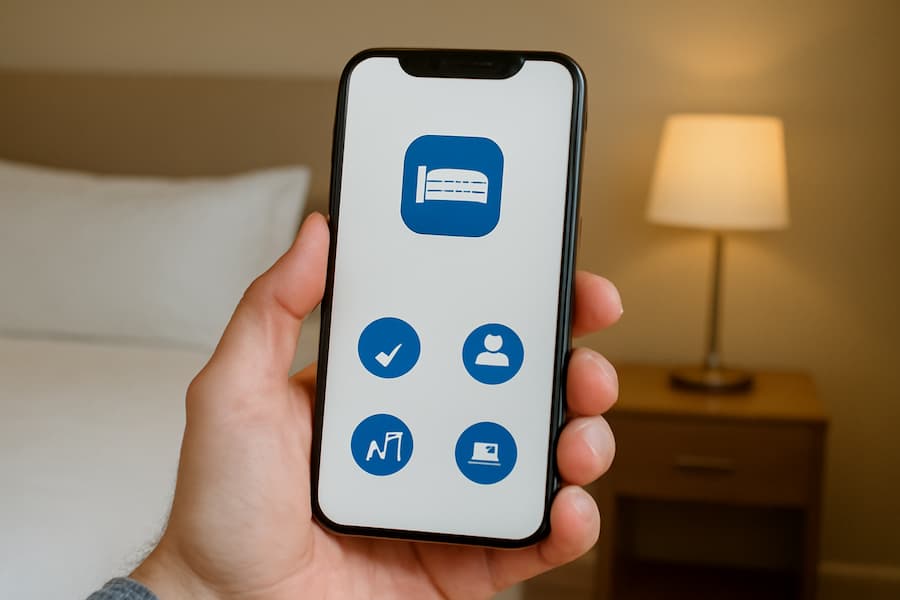
Benefits of Using a Hotel Management Apps to Improve Hotel Performance In today’s fast-paced world, hotels face numerous challenges that require precise and optimized management to provide better services to guests and increase organizational productivity. One of the key tools that can help hotels address these challenges is hotel management applications. These applications offer a wide range of features to streamline daily operations, enhance guest services, and increase profitability. In this article, we will explore the benefits of using hotel management applications in improving hotel performance and demonstrate how these tools can contribute to enhancing service quality, boosting productivity, and increasing guest satisfaction. Read more 1. Improved Efficiency and Reduced Errors One of the primary advantages of hotel management applications is the improvement in operational efficiency. These applications provide automation for tasks, enabling more accurate resource management, task delegation, and performance tracking. For example, task management systems within these applications can automatically assign various duties such as cleaning rooms, handling guest requests, and monitoring room statuses to hotel staff. This automation leads to fewer human errors and greater accuracy in task execution. Additionally, real-time updates ensure that managers have immediate access to the latest information, enabling them to make quick and informed decisions. 2. Better Communication Management (Internal and External) Another significant benefit of hotel management applications is improved communication. These applications can facilitate seamless communication between various hotel departments, including reception, housekeeping, restaurants, and other teams. This feature is particularly beneficial during busy periods or when immediate changes in schedules are needed, improving the overall performance of the hotel. Moreover, hotel management applications often include tools for better guest communication. This enables hotels to quickly and efficiently share important information with guests, such as booking confirmations, arrival or departure delays, and other details without the need for phone calls or emails. 3. Increased Guest Satisfaction Hotel management applications enhance guest satisfaction by providing tools for better communication and precise tracking of guest requests and complaints. For instance, features like sending reminders for room service, requesting additional amenities (such as towels, shampoo, or toothbrushes), or notifying guests of changes in their room can all be handled through the app. Additionally, some applications allow for personalized guest services. This customization may include adjusting room temperature, lighting, and service preferences, creating a unique and tailored experience for each guest. 4. Reporting and Data Analysis One of the standout features of hotel management applications is their ability to generate reports and analyze data. These applications allow hotel managers to easily access performance metrics such as booking rates, room statuses, daily revenue, guest satisfaction, and many other key indicators. Such reports help hotels track current trends and analyze them to implement improvement strategies for future periods. This data-driven approach helps optimize resource utilization and streamline operations, ultimately allowing hotels to make more informed decisions. 5. Increased Efficiency with Artificial Intelligence (AI) Artificial intelligence (AI) is becoming an integral part of modern hotel management applications, contributing to increased efficiency and process automation. For example, AI-driven systems can predict when rooms need cleaning, which services are in higher demand, or optimize pricing and special offers based on past data. AI-powered systems also allow hotels to personalize the guest experience more precisely, tailoring services to individual preferences. Additionally, AI can save time and resources, leading to cost savings and operational efficiencies. 6. Optimized Human Resource Management Human resource management is a critical aspect of hotel operations that requires accuracy and attention to detail. Hotel management applications assist managers in tracking employee work hours, assigning duties, and monitoring staff performance. These features ensure that resource allocation is optimized and that tasks are properly delegated. Moreover, these applications help hotels make the most of their human resources, which leads to cost reductions and productivity increases. Effective staff management ultimately contributes to an overall boost in hotel performance. 7. Enhanced Security and Privacy Hotel management applications typically include advanced security measures to protect guest data and maintain hotel security. Through these applications, personal information about guests and their bookings is stored securely, with access restricted to authorized personnel only. Additionally, some applications feature advanced surveillance and monitoring systems, which allow hotels to oversee the security of different areas and prevent potential security breaches. Conclusion The use of hotel management applications plays a crucial role in improving hotel performance. From automating processes and reducing errors to enhancing guest satisfaction and boosting employee productivity, these applications offer significant advantages in optimizing hotel operations. Additionally, with the use of advanced technologies such as artificial intelligence and advanced reporting, hotels can make strategic decisions based on real-time data and maintain a competitive edge in today’s market. Hotel management applications are indispensable tools that not only streamline operations but also ensure better service quality and increased profitability.
How TaskLoop Enhances Guest Satisfaction and Improves Service Quality

How TaskLoop Enhances Guest Satisfaction and Improves Service Quality In the hospitality industry, guest satisfaction is always a top priority. Hotels aim to offer exceptional experiences to their guests, ensuring they stay satisfied and return for future stays. TaskLoop (TaskLoop) is one of the key tools designed to optimize hotel processes and improve both the quality of service and guest experiences. As a result, hotels can provide superior service while building long-term guest loyalty. Read more 1. Customization and Precise Coordination of Services One of the primary features of TaskLoop is its ability to customize and coordinate all hotel services effectively. Not only does it enable hotel staff to register and track all guest requests and needs in a unified platform, but it also ensures that these requests are handled promptly. For example, whether it’s simple requests like extra amenities or more complex needs, everything is quickly logged and managed. Consequently, this coordination ensures that no request goes unanswered and all needs are met accurately and on time. 2. Faster Response Times and Reduced Wait Times A major cause of guest dissatisfaction is the long wait time for responses to requests. However, TaskLoop helps eliminate this issue by instantly notifying staff of new requests, which allows them to take immediate action. Therefore, the system ensures that no request is left unattended, and guests feel their needs are being met swiftly. As a result, response time improves significantly, leading to higher guest satisfaction. 3. Artificial Intelligence Support for Special Requests A standout feature of TaskLoop is the use of artificial intelligence (AI) to manage special requests. Through AI, the system can automatically identify, categorize, and route guest requests—especially complex or unique ones—to the appropriate department. Furthermore, AI enables the system to offer tailored service suggestions based on guest preferences. This personalization ensures a memorable experience, which, in turn, boosts guest satisfaction and loyalty. 4. Accurate Reporting and Continuous Service Improvement With TaskLoop, hotel managers can access detailed reports on task progress, service delivery, and guest satisfaction. This feature not only provides valuable insights into service quality but also allows managers to identify areas for improvement. Consequently, this data-driven approach helps managers implement the necessary changes to maintain high service standards. As a result, guests continue to receive top-notch service, which increases their overall satisfaction. 5. User-Friendly Experience for Guests In addition to benefiting hotel staff, TaskLoop also enhances the guest experience. By offering a simple and intuitive platform, guests can easily submit requests without the need for phone calls or in-person visits to the front desk. As a result, this easy interaction not only saves time but also boosts guest satisfaction. Guests feel that their needs are prioritized and addressed promptly, which contributes to a positive overall experience. 6. Integration with Other Hotel Systems and Improved Team Management TaskLoop seamlessly integrates with other hotel systems, allowing all departments—from reception to housekeeping and restaurant—to work together efficiently. Moreover, this integration ensures timely and high-quality service delivery. It also allows managers to track team performance in real time and make data-driven decisions to enhance service quality. Ultimately, this level of coordination and communication leads to better guest service and, in turn, higher guest satisfaction. Conclusion By incorporating TaskLoop into hotel operations, hotels can significantly improve guest satisfaction and service quality. The system streamlines task management, personalizes guest experiences with AI, and provides accurate reporting for continuous service improvement. As a result, TaskLoop enables hotels to offer an exceptional experience that not only satisfies guests but also increases loyalty and drives long-term business growth.