
Advanced Reporting in Hotel Management: Data Analysis for Improving Hotel Performance
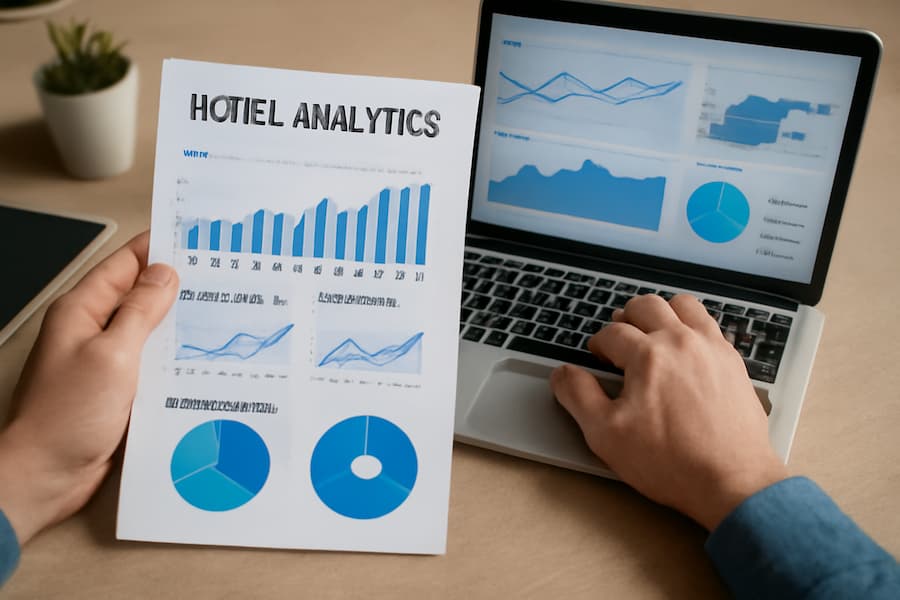
Advanced Reporting in Hotel Management: Data Analysis for Improving Hotel Performance In the highly competitive hospitality industry, making informed decisions based on data is crucial for a hotel’s success. Advanced reporting in hotel management plays a pivotal role in gathering actionable insights that can lead to improved operational efficiency, increased guest satisfaction, and higher profitability. By utilizing data analysis tools integrated into modern hotel management applications, hotels can monitor performance metrics, identify trends, and make proactive decisions to optimize operations. In this article, we will delve into the importance of advanced reporting in hotel management and how data analysis can contribute to enhancing the overall performance of hotels. Read more 1. The Role of Data in Hotel Management In today’s digital era, hotels generate vast amounts of data from various sources such as guest feedback, booking patterns, operational tasks, financial records, and employee performance. This data, if analyzed correctly, can uncover valuable insights that can influence a hotel’s strategy and operations. Advanced reporting systems allow managers to analyze and interpret this data to make data-driven decisions. These insights help managers optimize their operations, enhance guest experiences, and drive revenue growth. 2. Key Metrics Tracked through Advanced Reporting Advanced reporting tools enable the tracking of several key performance indicators (KPIs) essential for hotel management. Some of the most critical metrics include: Occupancy Rate: This measures the percentage of rooms occupied compared to the total available rooms. High occupancy rates indicate good demand, while low rates may signal issues with pricing, marketing, or customer satisfaction. Average Daily Rate (ADR): This metric indicates the average revenue earned per occupied room and provides insights into the hotel’s pricing strategy. Monitoring ADR helps hotels identify whether their pricing is competitive or needs adjustments. Revenue per Available Room (RevPAR): RevPAR is a crucial metric for measuring the hotel’s overall financial performance. It is calculated by multiplying the ADR by the occupancy rate, offering a more comprehensive view of the hotel’s revenue generation capabilities. Guest Satisfaction and Feedback: By analyzing guest feedback, reviews, and ratings, hotels can identify areas of improvement in service delivery, facilities, and overall guest experience. Advanced reporting systems often aggregate feedback from multiple sources, giving a holistic view of customer sentiment. Cost Control and Operational Efficiency: Data analysis can track operational costs such as labor, maintenance, and supplies. By comparing these costs against revenue, hotel managers can identify areas where expenses can be reduced without compromising service quality. 3. Benefits of Advanced Reporting in Hotel Performance a. Identifying Operational Inefficiencies Advanced reporting systems allow hotel managers to identify inefficiencies in various departments. For example, a detailed analysis of housekeeping schedules can reveal if rooms are being cleaned too slowly or if staff are overstaffed during off-peak periods. By pinpointing these inefficiencies, managers can adjust staffing levels, streamline processes, and improve service delivery. Additionally, data analysis can identify peak and off-peak periods in hotel operations. This allows hotels to better allocate resources, such as staff and inventory, ensuring that operational costs are aligned with actual demand. b. Optimizing Pricing and Revenue Management Pricing is one of the most powerful tools for optimizing hotel revenue. Advanced reporting systems can provide insights into the most profitable times for room bookings, helping hotels adjust their rates dynamically. By analyzing demand trends, seasonality, and competitor pricing, hotels can adopt a more data-driven revenue management strategy. Revenue management systems that utilize advanced reporting also provide recommendations on pricing strategies based on historical data and real-time market conditions. This helps hotels maximize revenue potential while staying competitive in the market. c. Improving Marketing Strategies Data analysis allows hotels to assess the effectiveness of their marketing campaigns. By analyzing booking sources, customer demographics, and online behavior, hotels can determine which channels are delivering the most ROI. For example, reports might reveal that a particular marketing channel, such as social media or search engine advertising, is driving a high volume of bookings. With advanced reporting, hotels can also assess guest preferences and behaviors to create personalized marketing campaigns that are more likely to convert into bookings. For instance, data might indicate that a certain segment of guests prefers discounts on spa services, allowing the hotel to target this group with tailored offers. d. Enhancing Customer Experience Advanced reporting is not only about operational and financial metrics but also plays a crucial role in enhancing customer experience. By analyzing customer feedback, guest preferences, and service requests, hotels can identify common pain points and areas for improvement. This insight enables the hotel to make informed decisions about improving its services, facilities, and overall guest satisfaction. For instance, if reports show a significant number of guests requesting early check-ins or late check-outs, the hotel may adjust its policies to accommodate these preferences, improving guest satisfaction and loyalty. 4. Real-time Data and Decision-Making One of the most powerful features of advanced reporting systems is the ability to provide real-time data. With this capability, hotel managers can quickly respond to issues as they arise. For example, if occupancy levels drop unexpectedly, managers can adjust pricing or implement special offers to attract last-minute bookings. Real-time data enables more agile decision-making, which is essential in a rapidly changing industry like hospitality. Managers no longer have to wait for weekly or monthly reports to make critical decisions—they can adjust their strategies in real-time to maximize efficiency and revenue. 5. Predictive Analytics for Future Planning Beyond historical data analysis, advanced reporting systems in hotel management often include predictive analytics features. These tools use past trends, booking data, and market conditions to forecast future demand, pricing trends, and operational needs. For example, predictive analytics can help forecast busy periods (e.g., holidays, local events) and ensure that the hotel is adequately staffed and prepared. It can also predict potential downturns in bookings, enabling managers to implement strategies to mitigate these challenges, such as launching promotions or adjusting marketing efforts. 6. Customization of Reports Different departments within a hotel may require different types of reports to measure their performance. Advanced reporting systems allow